Why Every Brand in India Needs to Stop Renting Attention and Start Owning It
In short: sponsorships buy you a moment inside someone else's story, while owned IP builds a compounding asset around your own. India's fragmented media, offline trust culture, and wide open categories make this the right time for brands to shift more of their budget from renting attention to building it, starting with high touchpoint categories like running series and grassroots leagues.
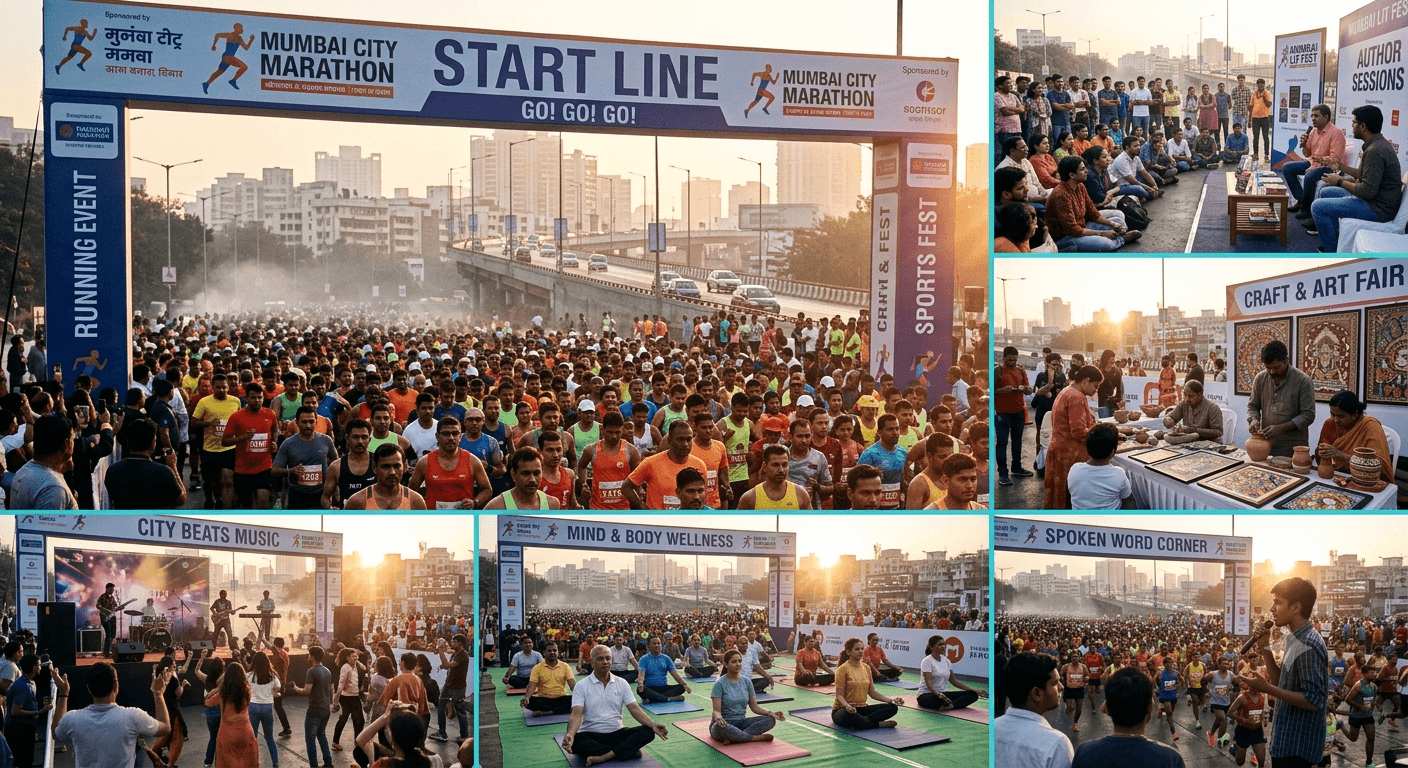
Why Brands Need Owned IP, Not Just Sponsorships.
They take a stall at a marathon. They take a logo spot on a music festival banner. They buy thirty seconds during a cricket match ad break. These are genuinely valuable ways to reach an audience, and sponsorship will always have a place in the mix. But once the event ends, the banner comes down, and the brand's presence goes with it. Next year, they buy the same slot again, at whatever price the market has moved to.
This is sponsorship as a transaction. What most brands actually need is sponsorship as an asset. And the difference between the two is the single biggest opportunity sitting untapped in Indian marketing right now: owned IP.
Renting vs Owning: The Core Marketing Shift
In classic marketing terms, this is the difference between paid media and owned media, applied to real world experiences instead of digital placements.
When you sponsor someone else's event, you are essentially buying reach inside someone else's story. You get a logo on their stage, a mention in their press release, a few seconds of visibility in their crowd shots. The audience remembers the event. The brand is a footnote.
When you build your own IP, a run series, a music property, a talent hunt, a city league, you become the story. The brand owns the calendar date, the audience relationship, the data, the media rights, and every touchpoint in between. Instead of appearing in someone else's narrative once a year, you're creating a property that compounds. Year one it's an event. Year three it's a tradition. Year five it's a category the brand is simply synonymous with.
Think of what the Sunburn Festival did for EDM in India, or what Airtel did by attaching itself to Delhi Half Marathon for over a decade. Or look at Cred's IPL ad blitz turning into a genuine cultural moment every season. These aren't sponsorships anymore, they are IP, and IP is a compounding asset the same way a strong brand name or a loyal customer base is.
Why This Matters More in India Specifically
India's consumption story is unique in a few ways that make owned IP an even sharper tool here than in mature markets.
Fragmented, high context media. Indian audiences don't consume one national channel or one dominant platform. Attention is split across regional languages, cricket, OTT, festivals, and hyperlocal community events. A single 360 degree owned property, say a Tier 2 city running series, lets a brand show up consistently across all of these contexts instead of buying fragmented media across each one separately.
Trust is still built offline. Despite the digital boom, a huge chunk of India's brand trust, especially outside metros, still gets built through physical, tangible experiences. People remember the brand that showed up at their local ground, put their kid on a stage, or handed them a medal at the finish line. This is experiential marketing doing what performance marketing simply cannot: building emotional equity.
Category ownership is still up for grabs. In the US or Europe, most experiential categories, marathons, music festivals, sports leagues, already have an entrenched incumbent brand attached. In India, huge categories are still open. Tier 2 and Tier 3 running culture, regional music scenes, amateur sports leagues, wellness communities, most of these don't have a defining brand yet. Whoever moves first and commits gets to own the category the way Airtel owns the Delhi marathon or Tata owns the Mumbai marathon.
The math works better over time. Renting a sponsorship slot resets its value to zero every year. Building an IP means your cost per touchpoint actually goes down as the property matures, because year two and year three bring organic media coverage, returning audiences, and word of mouth that year one never had.
Which Categories Give Brands the Most Touchpoints
Not every category is equal when it comes to touchpoint density, meaning how many distinct, repeatable moments a brand gets to interact with its audience across the life of the property. Here's how the major categories stack up.
Running and marathon series This is arguably the single highest touchpoint category available today. A running IP gives a brand contact with the consumer at registration, at expo pickup, on race day itself, at every hydration point, at the finish line, in post race photos and social shares, and in the following year's registration cycle. It's also one of the few categories where the brand can genuinely embed its product into the experience, hydration brands at water points, footwear brands at the expo, finance brands sponsoring the entry fee itself.
Music and festival IP High emotional intensity, high shareability, but shorter touchpoint windows. The brand gets pre event hype, on ground activation, and a short but extremely high volume burst of social content. Great for brand recall and cultural relevance, less effective for deep funnel or repeated engagement unless it's a recurring annual property.
Amateur and grassroots sports leagues Underrated in India right now. A city level football or cricket league gives a brand months of touchpoints, team sign ups, weekly match days, local media coverage, parent and community involvement, and a natural content pipeline every single week of the season. The audience is smaller than a marathon or festival, but the frequency and depth of engagement is far higher.
Talent and culture properties Things like talent hunts, college fests, or regional culture festivals. These bring strong community level touchpoints and are particularly powerful for brands trying to build relevance with a younger, Tier 2 and Tier 3 audience, but they need sustained multi year investment before the property earns real recognition.
Wellness and community driven IP Yoga days, cycling clubs, community fitness challenges. Lower cost to build, high frequency of touchpoints since these can run weekly or monthly, and increasingly relevant as Indian consumers get more health conscious. The trade off is smaller reach per event, so this works best as a long tail, community building play rather than a mass awareness one.
If we had to rank by pure touchpoint density and cost efficiency for a brand starting out, running and marathon IP sits at the top, followed closely by grassroots sports leagues, with festivals and culture properties offering the biggest single moment of impact but the least sustained contact.
The Bottom Line
Sponsorship spends in India are only going up, but most of that spend is still going toward renting someone else's stage. The brands that will win the next decade are the ones that flip the model, spend the same budget, or often less over time, building something they own outright.
You don't need to be a conglomerate to do this. You need the right category, the right city, and the patience to let a property mature past its first, rough, expensive year. That's the part most brands underestimate, and it's exactly where the real advantage is sitting.
In short: sponsorships buy you a moment inside someone else's story, while owned IP builds a compounding asset around your own. India's fragmented media, offline trust culture, and wide open categories make this the right time for brands to shift more of their budget from renting attention to building it, starting with high touchpoint categories like running series and grassroots leagues.
If your brand is thinking about moving from sponsor to owner, that's the conversation we exist to have.
Let's Connect:
Kanhaiya@sponsiwise.com
+91 8076452536
Written by
Kanhaiya